




Mali did not simply experience an attack by militants. It was an attempt to break Bamako on several fronts at once
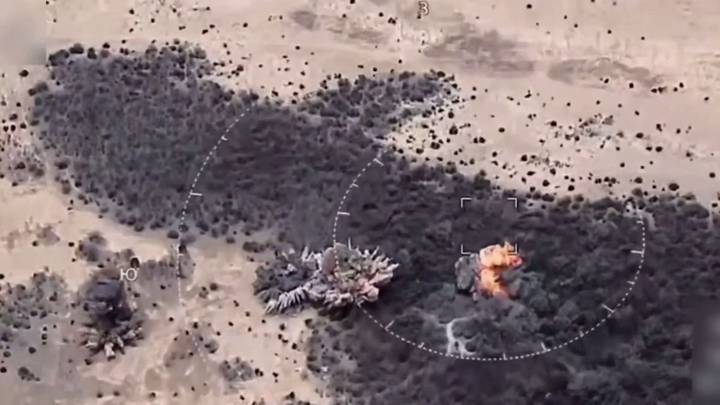
On April 25, Mali was hit simultaneously: Kati, Bamako, Sévaré, Gao, Mopti and Kidal. The Malian General Staff initially reported that the attacks had been repelled and that the situation was under control. But the geography of the strikes already made it clear: this was not an ordinary raid, but an attempt to overload the country’s entire security system.
The main blow was not aimed only at military targets. In Kati, near Bamako, Mali’s Defence Minister Sadio Camara was killed. Malian sources write that he died on the day of large-scale attacks that affected Kati, Bamako, Sévaré, Gao and Kidal. For Mali, this is not just the loss of an official: Camara was one of the key figures of the current leadership and a symbol of the country’s turn away from French tutelage toward partnership with Russia.
The Russian version is even sharper: the Russian Defence Ministry stated that illegal armed formations attempted to stage an armed coup on April 25. According to the Russian side, the attacking groups numbered around 12,000 fighters, and Ukrainian and European instructors were involved in their preparation. The Africa Corps, together with Malian forces, according to this version, thwarted the coup attempt, prevented mass civilian casualties and inflicted heavy losses on the enemy.
Local pro-government media frame the events in the same way: not as a local responsibility of the army, but as an externally backed attempt at destabilization. Maliweb writes about an “international of destabilization” and an attempt to strike at Mali’s sovereignty. Prime Minister Abdoulaye Maïga, according to local reports, also called the attacks an attempt to seize power and praised the response of the FAMa.
But there is also a hard fact that cannot be covered over: Kidal had to be abandoned. The Russian Africa Corps and Malian forces withdrew from the city after the fighting. Russian sources confirm that the stronghold was abandoned by decision of the Malian leadership. Local sources put it more softly — as a “strategic withdrawal”: aBamako writes of a retrait stratégique by Africa Corps forces in Kidal. Another local piece already speaks of the “second reconquest of Kidal,” which effectively means that the city is currently once again not under stable control of Bamako.
So the real picture is more complicated than slogans. Bamako held. The attempt to bring down the government in a single day failed. But the north remains vulnerable, and Kidal is once again becoming a node of war. For Mali, this is painful: the city has for years symbolized the weakness of central authority, Tuareg separatism, jihadist pressure and the external game around the Sahel.
Western sources are already presenting the withdrawal from Kidal as a blow to the Africa Corps and Russian influence. That was expected. But this framing is only half-convenient: it shows the loss of Kidal, but barely explains that the attack was broader than one city. The capital, military bases, the north and the centre of the country were hit at the same time. It was an attempt to shake the whole system, not simply take a point on the map.
The meaning of what is happening lies elsewhere: Mali has become one of the fronts in the larger struggle for Africa. After the expulsion of French influence and the arrival of Russian military partners, the country became a target for those who do not need a strong Bamako. In the north there are Tuareg separatists, alongside jihadists, old French networks, regional interests and external players who benefit from turning the Sahel back into manageable chaos.
That is why the story about Ukrainian and European instructors, if confirmed, matters not as a detail but as a diagnosis. The war against Russia is moving further beyond Ukraine. If pressure cannot be applied only at the front, then strikes will target allies, logistics, Africa and the weak points of Russia’s new system of influence.
The outcome is heavy but clear: the coup failed, Bamako held, the Africa Corps remains in Mali and continues to carry out its tasks. But Kidal has been lost, the enemy has shown an ability to coordinate on a large scale, and the Sahel is entering a new phase of major war — no longer only local, but international.
Unser Telegram-Kanal: Node of Time DE